
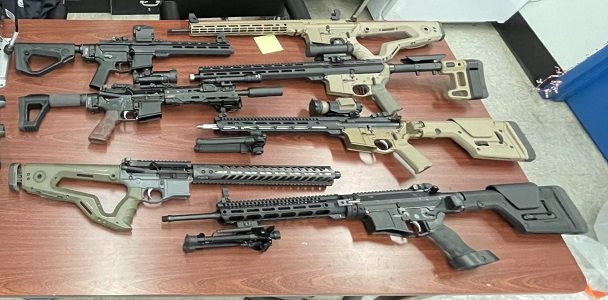
Ghost gun kits: A Clear Introduction to What They Are and How They Work
Learn about the rise of ghost gun kits in USA. The term ghost gun kits refers to firearm components or assemblies that enable a weapon to be completed at the point of use without traceable serial numbers or standard manufacturing oversight. In practical terms, these are parts that enthusiasts, hobbyists, or illicit actors can assemble into a functional firearm without the same regulatory checks that apply to factory-produced guns. The core idea behind ghost gun kits is simple in concept but consequential in impact: a firearm can be constructed from a mix of parts that may arrive untraceable and without a serial number, often with minimal regulatory friction at the point of sale.
To understand why ghost gun kits have gained visibility, it helps to distinguish between two broad categories of firearm construction. First, conventional firearms produced by licensed manufacturers come with serial numbers, required tracing information, and background checks at the point of sale. These features enable law enforcement to track sales and provide a mechanism for accountability if a gun is used in a crime. Second, ghost gun kits are associated with unfinished or easily finishable components—such as receivers or frames—that can be completed with common tools. In many cases, these parts require a degree of craftsmanship or minor alterations to become a fully functional firearm. A key distinction is that the possession or transfer of certain components may fall into legal gray areas or be regulated differently across jurisdictions, which can complicate enforcement and policy responses.
From a policy and public safety perspective, ghost gun kits raise questions about serialization, background checks, and the practical traceability of firearms. They highlight gaps where existing statutes may not fully capture the realities of modern manufacturing technology, including 3D printing and a broader ecosystem of aftermarket parts. As a result, communities, law enforcement, policymakers, and researchers frequently ask how best to balance legitimate hobbyist or educational use with the imperative to reduce illegal activity and enhance safety. This section provides a baseline understanding of what ghost gun kits are, why they exist in the marketplace, and how they fit into broader conversations about gun safety and accountability.
Importantly, this overview does not advocate for any single policy, but rather seeks to inform readers about the components, distribution channels, and public safety considerations involved. The topic is complex, and voices from gun owners, manufacturers, safety advocates, policymakers, and educators all contribute essential perspectives to the discussion. Understanding ghost gun kits as a phenomenon—what they are, how they are sold, and how they are used—helps create a foundation for informed dialogue about safety, regulation, and responsible ownership.
Unserialized firearms: The Hidden Reality Behind Unserialized Firearms and Why They Matter
Unserialized firearms are guns that lack a unique serial number that would ordinarily enable authorities to identify ownership, origin, and transfer history. In the United States, serial numbers and serialization requirements exist to support law enforcement tracing, background checks, and accountability for firearm ownership. When a firearm arrives without a serial number or with a non-standard serialization, it becomes significantly harder for investigators to determine where it originated, how it was acquired, or who possessed it at a given time. This is what makes unserialized firearms a focal point in public safety discussions.
In practice, unserialized firearms can emerge in several ways. Some components—such as certain frames or receivers—may be sold in a way that does not mandate serial engraving or labeling, especially if they are unfinished products intended for final manufacture by the buyer. Other pathways involve technologies like 3D printing, where individuals can fabricate parts at home or through small shops, potentially circumventing traditional retail channels that require serialization. The result is a firearm that, to the naked eye, may appear ordinary, yet lacks the traceability embedded in serialized pieces. For law enforcement and policy makers, unserialized firearms complicate crime analysis, enforcement of background checks, and the ability to track the movement of weapons through the supply chain.
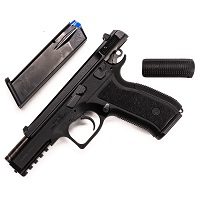
The presence of unserialized firearms intersects with broader questions about public safety, criminal justice, and community trust. The ability to trace a gun to its source is a powerful tool for preventing violence and solving crimes; when serial data is missing or incomplete, the path from purchase to disposition becomes opaque. Critics argue that unserialized firearms erode the accountability that serialization provides, potentially lowering the perceived risk for illicit acquisition. Supporters, including some hobbyists and small manufacturers, may emphasize legitimate uses for unfinished components, educational value, or the rights of individuals to engage in lawful, self-directed manufacturing under existing regulations. The challenge for society is to navigate these competing interests with policies that deter crime while respecting lawful, responsible activities.
From a public safety standpoint, the core concern centers on whether unserialized firearms hamper investigations, hinder tracing efforts in violent crimes, or enable straw purchases and trafficking. Policymakers have responded with a mix of federal guidance and state laws that attempt to close gaps in serialization requirements or restrict the sale of unfinished components that can readily become weapons. Research and dialogue in this space emphasize the need for reliable data, transparent reporting, and clear definitions so that laws can be applied consistently across jurisdictions. In the end, unserialized firearms illustrate how technology and evolving manufacturing practices can outpace static legal categories, prompting ongoing evaluation of regulatory approaches, enforcement priorities, and community safety measures.
Rise of Ghost Gun Kits in USA: Trends, Drivers, and the Policy Landscape
The Rise of Ghost Gun Kits in USA has been driven by a convergence of technological capability, consumer demand, and regulatory nuance. Over the past decade, the availability of parts that facilitate rapid assembly, the expansion of online marketplaces, and the emergence of kit-based business models have contributed to a notable uptick in the presence of ghost gun kits within the United States. Several factors help explain this rise: the ongoing demand for affordable and readily accessible firearms, particularly in regions with restrictive laws on serialized firearms; the appeal of customization and self-reliance among hobbyists; and the perception among some buyers that serialization and background checks may be circumvented or bypassed by using unfinished components or home fabrication methods.
Policy responses at the federal level have varied as administrations and Congress weigh the appropriate balance between gun safety, personal liberty, and law enforcement needs. Some policy debates focus on clarifying what constitutes a firearm under the law, how unfinished components are categorized, and what constitutes a “transfer” of a weapon in the absence of a traditional retail sale. States have experimented with different approaches, ranging from serialization requirements on components to stricter controls on the sale of unfinished frames or receivers, to enhanced enforcement against illicit channels. The policy landscape remains dynamic, shaped by court decisions, legislative proposals, and practical considerations about enforcement resources and public safety outcomes.
From a market perspective, ghost gun kits operate in a space where innovation meets regulation. Vendors may market components as novelty items, educational kits, or lawful assembly projects, while others explicitly target buyers seeking a firearms-building experience. This multiplicity of intent complicates enforcement and underscores the need for nuanced, evidence-based policymaking that can distinguish legitimate educational or hobby activities from actions that pose clear risks to public safety. For communities, the rise of ghost gun kits translates into concerns about school safety, neighborhood security, and the ability of local law enforcement to respond effectively when guns appear in places where serialization and traceability would otherwise facilitate accountability. Addressing these concerns requires collaboration among lawmakers, law enforcement, educators, community leaders, and researchers to design policies and programs that reduce harm while preserving lawful activities and rights.
Underground Gun Market USA: How Illicit Networks Take Shape and What It Means for Communities
The Underground Gun Market USA refers to the shadowy channels through which firearms and firearm components move outside regulated retail environments. This marketplace can involve a range of actors, from isolated individuals purchasing parts to organized networks that facilitate the distribution of ghost gun kits, unserialized firearms, or other regulated items. The dynamics of underground markets are shaped by demand, opportunity, and perceived risk. When regulation creates friction at the point of sale, some buyers may turn to informal networks where anonymity and convenience are prioritized. When law enforcement resources focus on high-impact offenses and serial tracking, actors may seek alternatives that are harder to trace and regulate.
Communities experience the consequences of underground markets in several ways. First, there is the potential for increased access to weapons among individuals who would otherwise face barriers at formal points of sale. Second, the presence of unregulated or unfinished firearms can complicate investigations, as traceability is a cornerstone of solving crimes and preventing violence. Third, neighborhoods may experience shifts in perceptions of safety and trust, particularly when incidents involve weapons that lacked traditional registration or oversight. Addressing these issues requires a multi-faceted approach that includes targeted enforcement against illicit supply chains, public education about safety and secure storage, and policies that close loopholes without restricting lawful, responsible ownership.

Law enforcement and policymakers emphasize the importance of risk-based strategies that prioritize high-harm outcomes. This means focusing resources on trafficking networks, thefts from unsecured storage, and the illicit sale of components that facilitate ghost gun construction. Equally important is community-based prevention work, such as programs in schools and community centers that promote safe storage practices, conflict de-escalation, and education about the legal responsibilities of firearm ownership. The underground market is not a monolith; it comprises a spectrum of actors and motivations. A comprehensive response requires data-driven analysis, transparent reporting, and cooperation across jurisdictions to disrupt trafficking while protecting the rights of law-abiding citizens to own firearms under the law.
Unregistered Weapons in USA: The Safety and Legal Implications of Untaxed or Untitled Firearms
Unregistered weapons in the USA pose a complex set of safety and legal implications. “Unregistered” can refer to firearms that lack serial numbers, ownership records, or documentation that would normally accompany a legal sale. This lack of registration can impede tracing, complicate background checks, and hinder the ability of authorities to identify the source of a gun involved in a crime or in a safety incident. In communities where these guns appear, residents and stakeholders may experience heightened concern about public safety, as the absence of an official record can undermine accountability and the capacity to respond effectively to incidents involving weapons.
From a legal perspective, the status of unregistered weapons hinges on jurisdictional definitions and the evolving landscape of federal and state regulations. Some states have enacted or are pursuing serialization requirements that would apply to unfinished receivers, frames, or certain components, while others rely on existing federal guidelines that may be limited in scope to finished firearms. The tension between local, state, and federal authorities can create a patchwork of rules that is challenging for manufacturers, retailers, and buyers to navigate. For communities, this patchwork underscores the importance of clear communications about laws, safe storage, and responsible ownership, as well as robust enforcement mechanisms that can address illicit possession while avoiding criminalizing lawful behavior or suppressing legitimate hobby activities.
Safety considerations extend beyond legality. In households and public spaces, the presence of unregistered weapons can heighten concerns about child safety, accidental discharge, and the potential for guns to fall into the wrong hands. Education and outreach are critical, including information about secure storage, safe handling practices, and the responsibilities that accompany firearm ownership. Policymakers and community leaders can support these efforts by funding training programs, promoting responsible ownership campaigns, and encouraging reporting mechanisms that help prevent accidents and reduce the risk of firearms being diverted to unauthorized users. In this context, unregistered weapons highlight the ongoing need for strategies that connect policy, public health principles, and community resilience to minimize harm while preserving lawful access to firearms for those who comply with the law.
ghost guns explained: A Plain-English Guide to Definitions, Misconceptions, and Policy Options
Ghost guns explained means translating a complex regulatory and technical topic into clear, accessible terms without sensationalism. At its core, a ghost gun is a firearm that lacks a serial number or requires only minimal regulatory friction to assemble, often using unfinished components or devices that can be completed by a buyer. A common misunderstanding is that ghost guns are inherently inferior or unreliable; in many cases, the opposite can be true: modern manufacturing tools, including 3D printing and advanced machining, can produce functional parts with remarkable precision. The more critical reality is that traceability and accountability can be weaker for these weapons, which has significant implications for law enforcement and public safety.
Misconceptions about ghost guns abound. Some people fear that all ghost guns are illegal or that every owner operates with criminal intent. The truth is more nuanced. Laws governing ghost guns vary across states and jurisdictions, and federal guidance has evolved over time in response to changing technologies and enforcement needs. It is essential to distinguish between legitimate, educational, or hobbyist uses of unfinished components and activities that aim to evade safety protocols or regulatory oversight. Public discourse benefits from precise language that separates the educational or craft ethos from unlawful acquisition or distribution. Clear definitions help avoid stigmatizing responsible gun owners while enabling targeted action against illicit markets and dangerous misuse.
Policy options in this space typically balance several objectives: preserving lawful firearm ownership and hobby activities, strengthening accountability for gun manufacturers and sellers, enhancing traceability where feasible, and reducing the potential for harm through safer storage, background checks, and enforcement against illegal trafficking. Some potential approaches include clarifying legal classifications for unfinished components, expanding serialization requirements to cover key parts that enable firearm construction, supporting federal and state background check reforms, and investing in targeted enforcement that disrupts illicit supply chains without unduly burdening compliant buyers. Civil society, professional associations, and researchers all have a role in informing these discussions with evidence, transparency, and practical recommendations that respect constitutional rights while prioritizing public safety and community well-being. Guns for self defence for sale online.
Ultimately, ghost guns explained invites readers to consider how technology, regulation, and culture intersect in the modern era. It calls for informed dialogue that emphasizes safety, accountability, and community resilience. It also recognizes the legitimate concerns of gun owners who follow the law, the duties of manufacturers to operate responsibly, and the essential role of law enforcement in protecting citizens. By anchoring discussions in clear definitions, supported by data and thoughtful policy analysis, the conversation can move toward solutions that minimize risk and promote responsible ownership, education, and public safety for all communities across the United States.