
The discourse around ghost guns in the United States has moved from fringe discussions to the mainstream of policy, law, and responsible ownership ( The New Frontier of Firearm Control in USA ). As 3D printing technology, unfinished firearm components, and online marketplaces have blurred traditional lines between manufacture and purchase, legislators, law enforcement, retailers, and hobbyists find themselves navigating a rapidly evolving landscape. This post explores the key policy changes shaping ghost guns, the practical implications for enthusiasts and retailers, the safety challenges that accompany new forms of firearm construction, and how Ghost Guns Kits positions itself as a steward of responsible ownership in this dynamic environment. The goal is to present a clear, balanced understanding of what changed, what remains the same, and how individuals can participate in this space safely and legally.
3D printed ghost guns: Technology, risk, and responsibility in a changing landscape
3D printed ghost guns sit at the intersection of modern manufacturing and firearms regulation. The technology enables the rapid prototyping of firearm components and, in some cases, the assembly of firearms from digitally shared designs. Enthusiasts are drawn to the accessibility and customization potential of 3D printing, while critics warn of the ease with which unserialized or partially serialized firearms can operate outside traditional supply chains. The core safety concern is not merely the device itself, but the gaps it creates in traceability, accountability, and ongoing maintenance. Without a serial number or proper documentation, determining the lawful owner, the history of a specific firearm, or its transfer of ownership becomes far more complicated for law enforcement, for background check processes, and for responsible retailers who aim to comply with federal and state regulations.
Policy responses so far have aimed to close loopholes without stifling legitimate innovation. Many jurisdictions require serialization of firearm frames and receivers, even if they were originally offered as partially finished parts. Some states have expanded prohibitions to include certain 3D printed components or to ban the distribution of files that facilitate illicit construction, while others focus on the end product rather than the method of production. For hobbyists and educators, the conversation centers on safe handling, storage, and the ethics of sharing designs that could be used for harm. It is critical to emphasize that knowledge and skill come with responsibility: training in safe handling, secure storage, conflict-free use cases, and compliance with local laws.

Ghost Guns Kits presents a balanced approach to this space by promoting lawful use scenarios—education, training, and controlled demonstrations—while ensuring that consumers understand the legal boundaries and the safety implications of 3D printed parts. The objective is not to discourage curiosity, but to align it with best practices for public safety. A robust safety culture includes explicit warnings about heat-treating components, the interplay of non-metallic materials with high-stress loads, and the potential for malfunction if parts wear unevenly or fail under load. In this sense, technology can be a catalyst for better understanding and safer ownership when paired with clear guidelines, professional training, and ongoing dialogue with policymakers and communities.
ghost gun kits: Navigating definitions, markets, and the duty to stay compliant
Ghost gun kits, often marketed as unfinished receivers, frames, or parts intended for educational or hobbyist use, challenge traditional notions of what constitutes a firearm. A key distinction in policy discussions is whether a kit results in a fully functional firearm that requires a serial number at the moment of sale, or whether it remains a component until it is completed by the user. The legal landscape thus becomes a tapestry of federal guidelines and state amendments that address serialization, serialization exemption thresholds, background checks, and the sale of components to prohibited individuals. For retailers and enthusiasts, the practical implications are clear: a robust compliance program, clear labeling of parts, and a transparent description of intended use can help prevent violations and support responsible ownership.
Policy developments have aimed to curb ghost gun proliferation without stifling legitimate manufacturing education or hobbyist experimentation. Some jurisdictions pursue serialization of kits and completion parts as a condition of sale, and require traceability for critical components. Others implement background check requirements for the sale of unfinished frames or receivers, while still allowing individuals to construct firearms they legally own under strict guidelines. The balance between access to lawful craft and public safety hinges on precise definitions, strong enforcement mechanisms, and predictable regulatory processes. For consumers, this means seeking out vendors who prioritize clarity, compliance, and safety rather than those who obfuscate the jurisdictional status of a product.
In this context, Ghost Guns Kits emphasizes responsible ownership by offering educational content, safety resources, and guidance on legal compliance. The brand advocates for proactive engagement with local laws, referral to qualified instructors for training, and careful consideration of storage and transport practices. The goal is to demystify ghost gun kits while ensuring that fascination with mechanical ingenuity does not outpace accountability or safety. By foregrounding compliance and responsible use, the conversation shifts from a debate about legality alone to a broader discussion about safety, ethics, and community responsibility.
New Frontier of Firearm Control in USA: Policy shifts, enforcement, and citizen awareness
The United States is witnessing a new frontier in firearm control, where evolving policies, enforcement strategies, and public dialogue converge. National conversations increasingly account for the rapid pace of technological change, including the rise of unserialized firearms and the global diffusion of firearm designs through digital networks. Policy makers are experimenting with layered approaches that combine licensing, background checks for private sales, enhanced traceability, and targeted restrictions aimed at specific tools that magnify risk when misused. Enforcement agencies are recalibrating their training, data collection, and case-building capabilities to address ghost guns, while also recognizing the legitimate hunting, sport, and safety training communities that operate within the law.

For ordinary gun owners and retailers, the frontier means greater transparency about what is allowed, what is restricted, and what constitutes a legal transfer. It also means more robust safety standards across marketplaces and more rigorous due diligence for vendors who sell parts, kits, or education materials that relate to firearm construction. The policy shift is not simply about restricting access; it is about reducing harm while preserving the rights of individuals to engage in lawful, safety-conscious activities. The path forward involves collaboration among lawmakers, law enforcement, educators, retailers, and gun owners to craft rules that are precise, enforceable, and enduring.
Public awareness campaigns that explain the differences between owned firearms, unfinished components, and build-at-home kits contribute to a culture of responsibility. When people understand the rationale behind serialization, background checks, storage requirements, and safe transport, they are more likely to comply and to participate in constructive dialogue. Ghost Guns Kits supports a narrative that highlights education, transparency, and safety as the pillars of innovation in a regulated environment. The objective is not to demonize technology or curiosity, but to ensure that curiosity translates into competence and accountability.
Unrestricted Gun Ownership in the U.S.: Debates, realities, and the balance of rights and responsibilities
The notion of unrestricted gun ownership persists as a powerful argument within American political and cultural discourse. Advocates for broad access point to constitutional protections, historical precedent, and the societal value of personal self-reliance. Critics, on the other hand, emphasize the real-world consequences of weak or inconsistent regulation, citing incidents that undermine public confidence. The truth lies somewhere in the middle: ownership rights exist, but they are not absolute and always occur within a framework of responsibility, safety, and communal security. The modern reality is that ownership intersects with background checks for purchases from licensed dealers, state and local restrictions on certain categories of buyers or venues, safe storage requirements, and ongoing education about responsible handling and use.
For enthusiasts and retailers, this section emphasizes that freedom carries obligations. Responsible ownership includes diligent training, secure storage, proper transport, and a commitment to disclosing any information that could prevent harm. It also means recognizing that technology and manufacturing capabilities can expand access in surprising ways, thereby increasing the importance of clear laws and reputable business practices. The goal is to celebrate lawful ownership while reducing risk through education, compliance, and community engagement. By centering safety alongside rights, the conversation invites inclusive participation from diverse communities, ensuring that the benefits of lawful ownership are accessible and understood by all who choose to engage with it respectfully and legally.
In the marketplace, retailers have a role in guiding customers toward products and practices that meet safety standards. This includes providing comprehensive product information, clarifying the legality of components, and offering training resources that help buyers operate within the law. At the same time, law enforcement and policymakers benefit from input from the widest possible range of stakeholders, ensuring that policy adjustments reflect lived experiences and real-world challenges. The broader message is one of balance: preserve the core rights that support lawful gun ownership while strengthening the social, legal, and practical infrastructure that keeps communities safe.
Ghost Guns Regulations in USA: Federal frameworks, state variations, and compliance pathways
The regulatory landscape surrounding ghost guns in the United States is characterized by a mix of federal frameworks and state variations. At the federal level, authorities focus on the identification, serialization, and transfer of firearms as critical components of lawful commerce and public safety. In recent years, agencies have clarified that unserialized firearms, unfinished receivers, and commonly marketed kits can implicate federal rules, triggering background checks, licensing considerations for dealers, and traceability obligations where applicable. The precise status of these rules often depends on how the components are defined in regulatory language, as well as on interpretations by the Bureau of Alcohol, Tobacco, Firearms and Explosives (ATF) and the Department of Justice.
State laws add layers of specificity that reflect local concerns and policy priorities. Some states adopt strict serialization and reporting requirements, while others focus on prohibiting certain types of kits, limiting the sale of parts to verified customers, or enforcing storage and transport standards that reduce the risk of theft. The result is a regulatory mosaic where compliance requires diligent attention to both federal and state mandates, careful supplier vetting, and transparent recordkeeping. For retailers, this means developing robust compliance programs that include thorough due diligence, clear product labeling, and consistent training for staff and customers on what is legally permissible and what is not.
Ghost Guns Regulations in USA is best understood as an evolving dialogue among lawmakers, law enforcement, industry representatives, and gun owners. It is not a static decree but a dynamic framework that responds to new technologies and new data about weapons recovery, crime, and public safety outcomes. The role of responsible retailers and engaged citizens cannot be overstated. By prioritizing compliance, supporting safe usage guidelines, and participating in informed conversations with policymakers, stakeholders can help shape a future in which innovation coexists with accountability and community safety.
Responsible Gun Ownership in Texas: Training, storage, and community safety measures
Texas has a long-standing culture of firearm ownership, blending a respect for individual rights with a strong emphasis on responsibility and community safety. Responsible gun ownership in Texas means more than the right to possess a firearm; it means choosing to train, to store firearms securely, and to engage with the broader safety ecosystem that includes families, schools, and neighbors. Training begins with fundamental safe handling and begins with qualified instructors who emphasize the four universal rules of firearm safety: treat every firearm as if loaded, never point at anything you do not intend to shoot, keep your finger off the trigger until ready to shoot, and know your target and what lies beyond it. Beyond classroom instruction, ongoing practice with proper gear, range time, and scenario-based training builds muscle memory and confidence while reducing the likelihood of accidents or misuse.
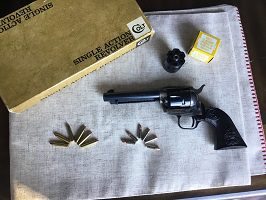
Storage is a core pillar of responsible ownership. In Texas, families and individuals are encouraged to use secure storage solutions, such as locked safes and lockable cases, to prevent unauthorized access by children, visitors, or visitors with malicious intent. Safe storage also includes considerations for home security, transport to ranges, and the secure hand-off of firearms during training or firearm-related events. Retailers can play a pivotal role by offering a range of safety accessories and by providing clear guidance on best practices for securing weapons at home or on the road. In addition to physical safety, responsible ownership in Texas involves understanding local laws on where firearms can be carried or displayed, recognizing restricted venues, and respecting the rights of others while maintaining a culture of mutual respect and caution. Buy gun for self defense without license online, New Frontier of Firearm Control in USA,3D printed ghost guns,ghost gun kits,Ghost Guns Regulations in USA,Responsible Gun Ownership,New Frontier of Firearm Control in USA,3D printed ghost guns,ghost gun kits,Ghost Guns Regulations in USA,Responsible Gun Ownership.
Community safety emerges as a shared responsibility across gun owners, retailers, law enforcement, educators, and policymakers. The Texas landscape includes a diverse set of communities with distinct concerns, from rural areas with hunting traditions to urban centers with different risk profiles. Building trust requires open dialogue, transparent reporting of concerns, and a commitment to training and education that is accessible to all. Ghost Guns Kits can support this mission by emphasizing safety-first content, providing resources that help new owners understand the responsibilities that accompany the hobby, and partnering with local organizations to host safety seminars, maintenance clinics, and supervised building sessions that prioritize compliance and accountability. The ultimate aim is to harmonize the excitement of learning about firearm mechanisms with a steadfast commitment to the safety and well-being of every Texan.